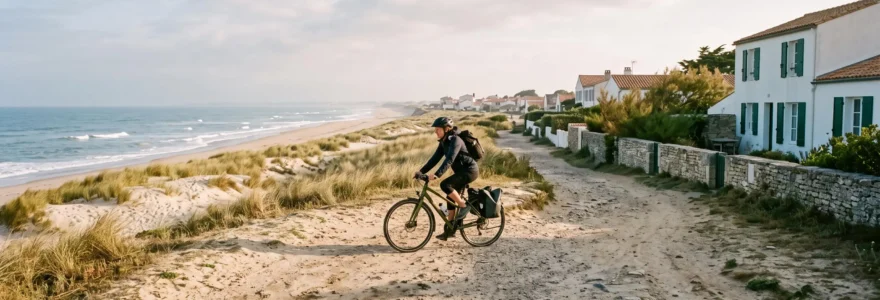
Planning what to do on Île de Ré for a week is mostly about choosing a pace that leaves room for the island’s simple pleasures: cycling between villages, long beach stops, and food breaks that don’t feel rushed. With seven days, you can see the “classics” and still keep a couple of flexible slots for weather, markets, or a slower afternoon.
The key is to organise the week by experience type (beach, bike loops, village strolls, local food) rather than trying to “tick off” every place. Île de Ré has many tempting options, but a calm plan usually comes from picking one main base and building easy half-days around it.
A realistic one-week plan on Île de Ré
- Plan one main activity per day (a bike loop or a beach session), and keep the rest light.
- Use cycling as your default: the island has an réseau cyclable officiel de 138 km (Communauté de Communes de l’île de Ré, map updated in 2026).
- Prioritise a few villages with different “vibes” rather than attempting all ten.
- Anchor your stay in one area to avoid repetitive back-and-forth rides.
- Leave 1 day “open” for markets, salt marshes, or a weather swap.
What Can You Realistically Fit Into a Week on Île de Ré?
Direct answer: In one week, you can realistically combine 2 beach-focused days, 2 days built around cycling and villages, 1 day for markets and marsh landscapes, and 1–2 flexible days for slow time, weather changes, or a repeat favourite—without turning it into a marathon.
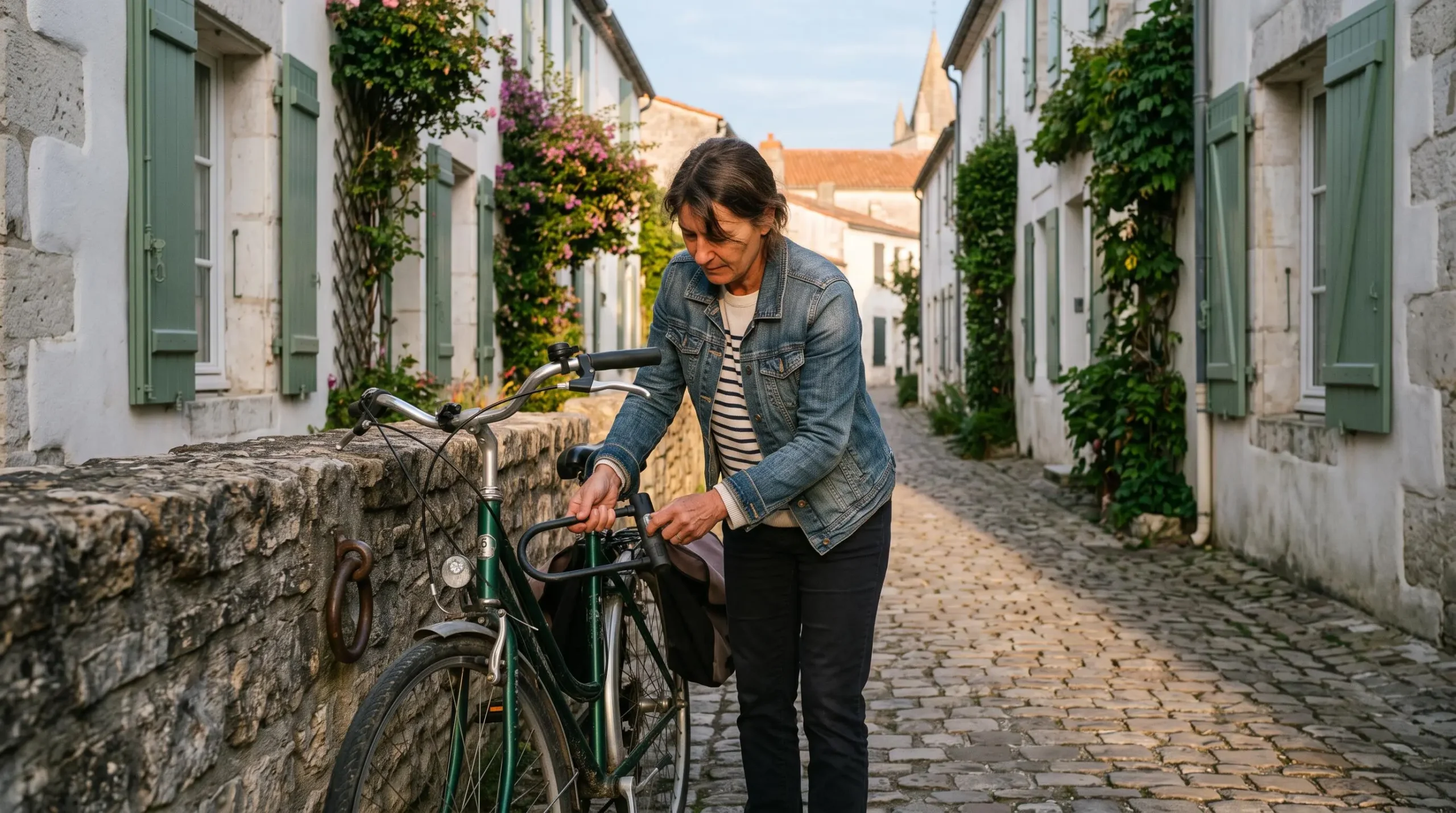
That rhythm works because most first-time visitors underestimate how enjoyable (and time-consuming) small moments are on Île de Ré: locking the bike, walking a port, grabbing something fresh at a market, or simply waiting for the light to soften at the end of the day. If you cram too much in, the week becomes a transport puzzle instead of a holiday.
A good rule for stress-free pacing is: one “anchor” experience per day (a loop ride, a long beach stop, or a long village wander), plus a short add-on (a market, a viewpoint, an early evening stroll). Your “add-on” should be optional—so if the wind picks up or you feel like staying put, the day still works.
To avoid spending half your week crossing the island back and forth, choose a base that matches your priorities (villages, beach access, or quiet). If you’d rather have help narrowing down areas and rental styles, you can also check holiday rentals in Bois-Plage with a travel agency as one reference point while comparing locations.
Is a week too long on Île de Ré?
No—provided you don’t plan it like a city-break. A week is a comfortable length because it lets you repeat what you like (a second beach afternoon, a second market morning) and still explore a few different corners by bike. The “too long” feeling usually comes from trying to do something new every single day, instead of letting the island set the tempo.
- If you want a low-effort first trip:
Prioritise 2 village days + 2 beach days, and keep the rest flexible so you can repeat what you enjoy.
- If you’re travelling with children:
Plan short bike rides around one beach area, add early markets, and avoid stacking two “big” outings on consecutive days.
- If you’re coming outside peak season:
Keep more indoor/short options (markets, harbours, fortifications) ready to swap with beach time depending on weather.
- If you love cycling:
Build 2–3 loop days and treat beaches as “recovery stops” at the end of each ride.
Beaches, Cycling and Coastal Villages: The Essentials
Direct answer: For a first week, prioritise cycling loops that link 2–3 villages, then finish at a beach that matches your mood (family-friendly or quieter). This gives you variety without spending your day navigating.
The most reliable way to see the island is to make cycling your default and treat villages and beaches as natural “stops” rather than separate missions. The Communauté de Communes de l’île de Ré publishes an official cycling map and states the island has 138 km of cycle itineraries, which makes it easier to build days without a car (with the usual caveat: real comfort depends on wind, your fitness level, and summer crowds).
Village choice is where most first-timers hesitate: there are ten officially listed villages, and they can look similar in photos. The local tourist office notes that each one has its own atmosphere and officially lists the ten villages—Rivedoux-Plage, Sainte-Marie-de-Ré, Saint-Martin-de-Ré, La Flotte, Le Bois-Plage-en-Ré, La Couarde-sur-Mer, Ars-en-Ré, Loix, Saint-Clément-des-Baleines, Les Portes-en-Ré—on its page about dix villages typiques de l’île.
Which villages should you prioritise in one week?
Prioritise villages that give you clearly different experiences, so the week feels varied even if you don’t “do everything.” Based on what the official tourist office highlights, many first-time visitors naturally include Saint-Martin-de-Ré (its fortifications are UNESCO-listed) and add at least one of La Flotte or Ars-en-Ré, both labelled “Most Beautiful Villages of France.”
Then add one quieter counterpoint (for example, Loix for a slower feel, or a northern village if you want more open landscapes). You don’t need to decide every stop in advance—just choose 3–5 villages as priorities and let the rest be “if we pass through” moments on a bike loop.
Which beaches should you prioritise for a day out?
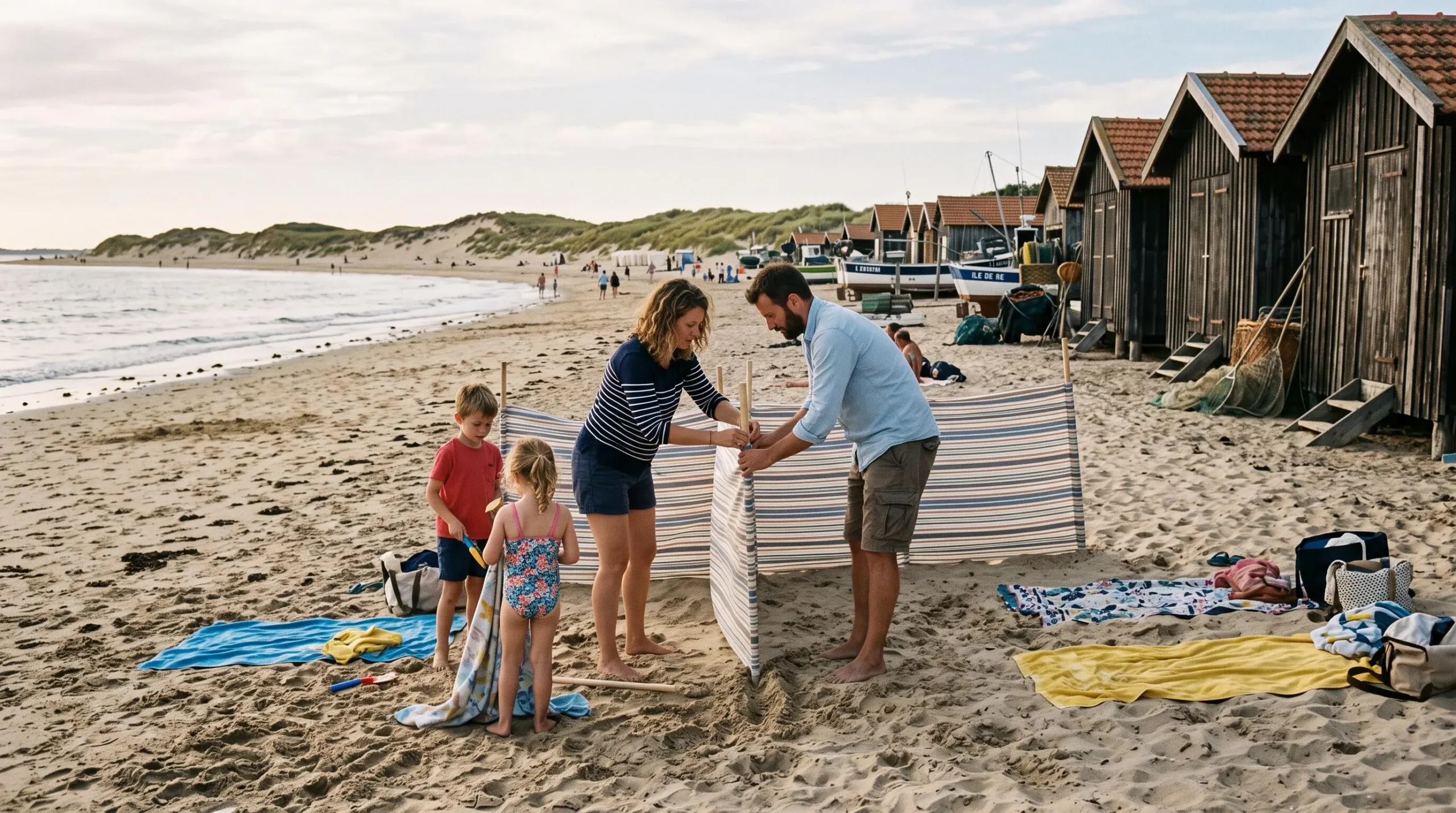
Pick beaches by your travel profile, not by a “best of” list. For a family day, you’ll usually want easier access, space for a windbreak, and a plan that doesn’t rely on a long ride home late in the day. For a quieter day, you’ll often prefer fewer facilities and a longer, slower cycle approach.
Because beach conditions can change (wind, tide, crowd levels), it’s smart to choose a “primary” beach for the day and keep a second option within an easy ride. That way you can swap without losing the whole afternoon.
Do I need a car or is cycling enough?
For many first-time visitors, cycling can be enough for day-to-day exploration because the island is set up for it—especially if you choose a base that reduces backtracking. A car can still be useful if your group has mixed cycling abilities, if you want to move beaches quickly with lots of gear, or if weather makes riding unpleasant on certain days.
A practical compromise for a week is to plan the “core” of the trip around bikes, then keep one flexible day where you decide on the morning whether to ride, take local transport, or drive (if you have a car) depending on conditions and energy.
Where Should You Stay to Make the Most of the Island?
Direct answer: To optimise a week, stay where your most frequent activity starts easily—near beaches if you want daily swims, or in/near a central village if you want evening strolls and simple bike loops to multiple villages.
The best place to stay on Île de Ré depends less on “what’s nicest” and more on how you want your days to feel. If you picture beach mornings and sunset returns, you’ll value quick sand access. If you picture village markets, harbours, and dinners without long rides home, you’ll value a location that keeps evening logistics short.
For a first week, many travellers do well with a base that allows two directions of exploration (so you’re not always cycling the same way). That reduces the “we’ve already done this road twice” feeling and makes it easier to keep days varied without going far.
Should I stay in a lively village or a quieter one?
Choose a lively village if you want to rely on what’s nearby at the end of the day: a walk, a harbour atmosphere, and the feeling that your evening doesn’t require planning. Choose a quieter village if your priority is a slower pace and you’re happy to make your day’s main outing earlier—then treat evenings as calm, local time.
A simple test: if you expect to “go out” most nights, stay where that’s easy on foot. If you expect to cook, read, and sleep early after cycling, a quieter base can feel more like a break.
How do I choose where to stay if I’m travelling with children?
For families, the most useful criterion is not the number of “things to do” but the distance you must cover at the hardest time of day—typically the ride home when everyone is tired or sandy. A base that keeps beach access simple often makes the whole week smoother, because you can always add a village stop, but you can’t always add patience at 6 p.m.
Beyond the Classics: Markets, Salt Marshes and Local Food
Direct answer: Add at least one market morning and one salt-marsh-themed half-day to balance beach and cycling time, especially if you want the trip to feel “local” rather than purely coastal.
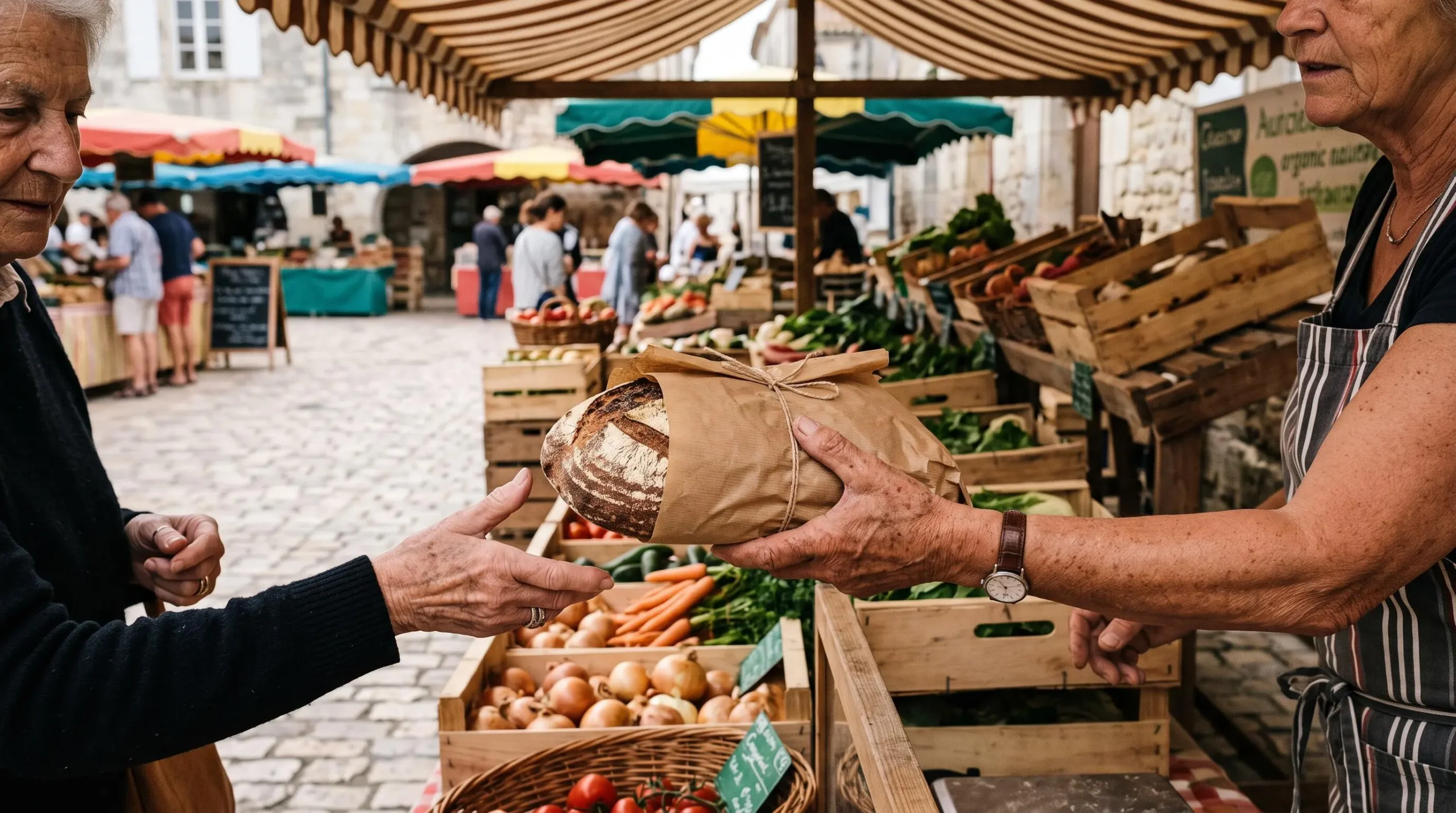
If you only do beaches and village photos, a week can start to feel repetitive. Markets and marsh landscapes change the rhythm: earlier starts, shorter distances, more conversation, and a reason to explore a village on a specific day rather than “sometime this week.”
Because opening days and times can change by season, treat market visits as a check-and-go item: verify the schedule close to your travel dates using local tourist information, then build a bike ride around it rather than the other way round.
What’s a realistic “local morning” to plan?
A simple template that works for first-timers is: market first (when stalls are best stocked), then a slow ride through nearby lanes, then a long lunch or picnic with what you’ve bought. It’s an easy way to experience the island without feeling you must “cover distance.”
Are the salt marshes worth adding if I only have a week?
Yes—because they give you a different side of Île de Ré than “sea + sand.” Even a short visit changes the week’s texture: flatter light, quieter paths, and a landscape that feels distinct from the ports and beaches. The practical limit is seasonal: access, guided visits, and shop hours can vary, so plan this as a flexible half-day that you confirm once you’re on the island or shortly before arrival.
Reality check for planning : Availability, opening days, and visit conditions can change by season and year—reconfirm practical details close to your travel dates using local Île de Ré tourist sources.
How Do You Organise Your Stay Without the Hassle?
Direct answer: Keep your week simple by booking only what sells out early, planning two strong cycling days, and leaving “swap days” so weather and energy don’t derail the trip.
The easiest way to remove stress is to decide, before you arrive, what you won’t optimise. For example: you don’t need the “perfect” order for villages, and you don’t need to chase the best beach every day. What you do need is a base that supports your priorities and a few pre-built day shapes you can repeat.
Also expect seasonality to affect how your days feel. A locally relayed seasonal report (based on Charentes-Tourisme data) shows demand varies a lot depending on the period, with measurable swings across the season; that’s a reminder to plan differently for peak weeks versus shoulder periods rather than expecting the same conditions every time.
- Pick one anchor base
Choose the area that matches your default day (beach-first or village-first) so you don’t keep re-solving transport.
- Design 2 bike loops
Plan two rides that link 2–3 villages each, then treat everything else as optional add-ons.
- Reserve only the essentials
If there’s one experience you’d regret missing, book it; otherwise, keep the plan light and confirm on site.
- Build “swap days”
Leave at least one day with no fixed objective so you can trade beach time for markets or vice versa.
If you want someone to help you organise the logistics and choices without improvising on arrival, consider travel help.
How do I plan a week on Île de Ré without missing the essentials?
Plan by experience type: 2 beach days, 2 cycling-and-villages days, 1 market/marsh day, and 1–2 flexible days. Choose one base village/area to reduce backtracking, then build easy loops rather than point-to-point missions.
Which villages are the most “different” for a first trip?
Start with one “heritage/fortified” stop (many visitors choose Saint-Martin-de-Ré for its UNESCO-listed fortifications), add one of the “Most Beautiful Villages of France” labels (La Flotte or Ars-en-Ré), then include one quieter village to slow the pace. This mix avoids feeling like you’re repeating the same stroll.
How do you balance beach days and village visits in a week on Île de Ré?
Make beach time the end of a cycling day on 2–3 occasions (short village stop first, then beach), and keep 1–2 days as “pure beach” without pressure. That balance keeps the week varied without turning village visits into rushed checklists.
What activities fit a week on Île de Ré for a first-time visitor?
A first week typically fits cycling loops, a few standout villages, several beach sessions, at least one market morning, and a salt-marsh-themed half-day. It’s enough variety to feel complete, while still leaving time to relax.
A week on Île de Ré is long enough to feel complete—if you let it be a sequence of well-chosen days rather than a strict itinerary. Decide your priority (beaches, cycling, villages, food), pick a base that supports it, and keep 1–2 days open so the island’s pace works in your favour.
